Chainlink is pushing deeper into bank infrastructure with Project Pangea, a framework that tests whether stablecoins can shorten the gap between an FX trade and final settlement. For crypto markets, the point is less about retail payments and more about whether tokenized money can solve a costly bank workflow.
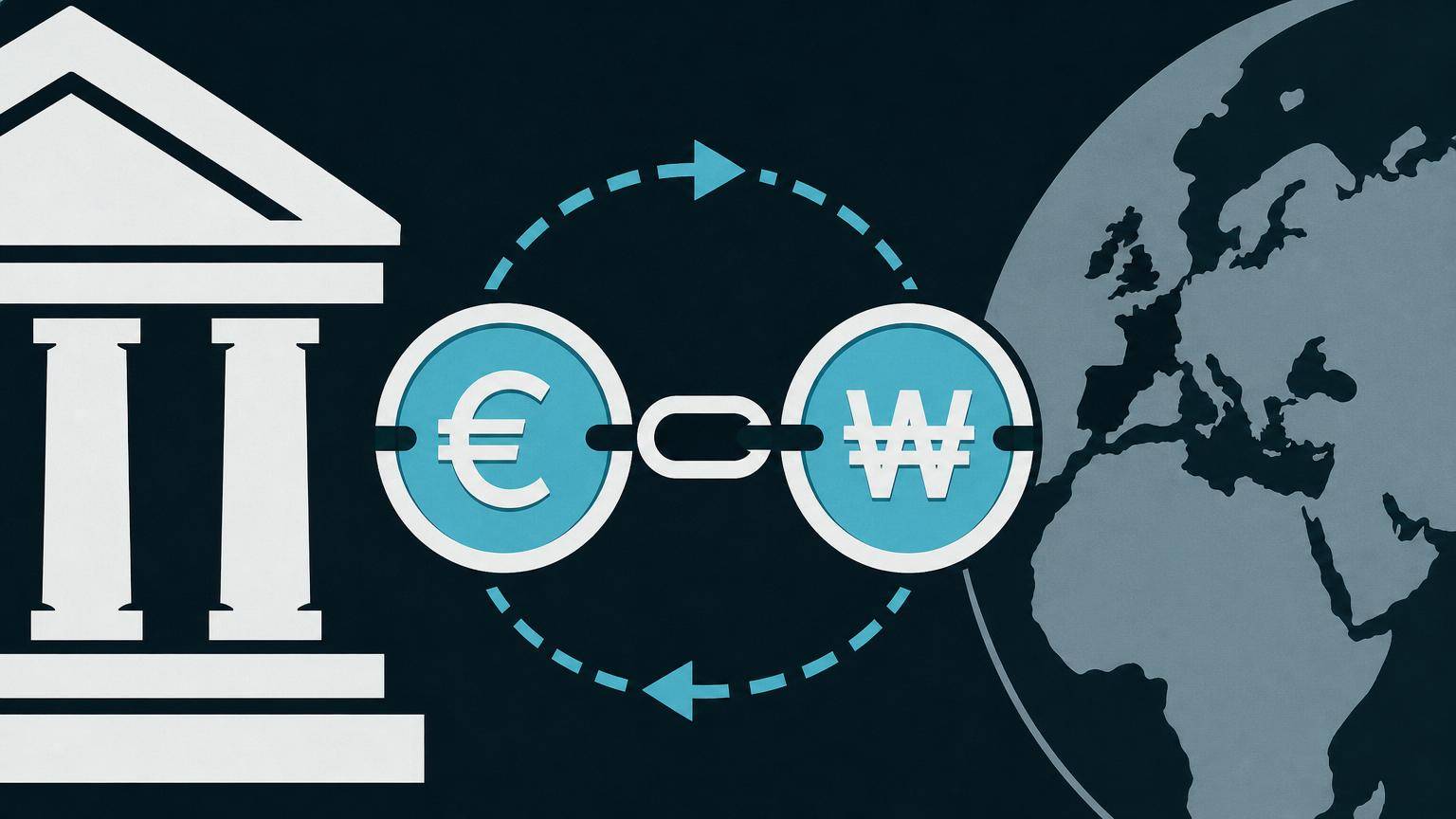
The project is built around T+0, or same-day, settlement for foreign exchange trades using compliant euro and Korean won stablecoins. Its design uses payment-versus-payment settlement, so both currency legs move at the same time. If that works in bank trials, it could reduce the period where one side has paid and the other is still exposed, which may free up capital and lower counterparty risk.
Chainlink says the model keeps existing bank processes in place by linking SWIFT infrastructure and ISO 20022 messages to on-chain settlement. That matters because banks already rely on those messaging standards for cross-border instructions, and changing settlement is easier if operations teams do not need a new workflow.
The framework includes Qivalis on the euro side and FairSquareLab and UniKA on the Korean side. Chainlink also pointed to a Europe-South Korea working group that it says represents more than $10 trillion in assets. For now, this is still a framework, not live market infrastructure. Banks still need clarity on the exact stablecoins, liquidity, redemption, dispute handling, and legal approval.
◆ Source
Originally published by CryptoSlate on June 25, 2026.
◆ Linked coin (1)
◆ Build with us
Every event, verified and scored. One API call away.